A new book · January 19, 2027 · Prometheus Books
Longevity used to be something you did. Now it’s something you buy.
Biometric wearables, endless podcasts, and biohacking influencers selling supplements, cold plunges, and five-figure clinic protocols. Living longer has never been more complicated or more expensive — but what if the obsessive pursuit of health is itself making us sick?
Advance praise
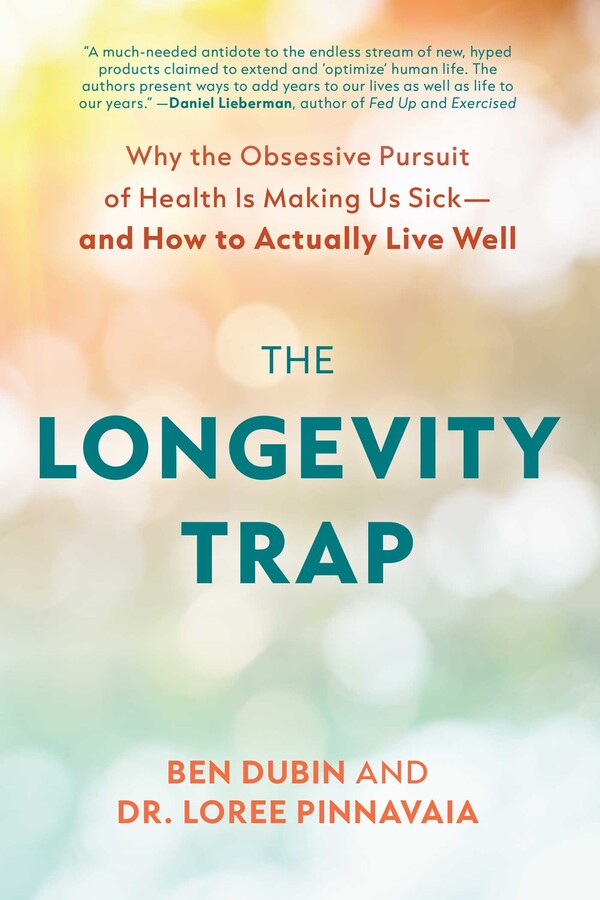
“A much-needed antidote to the endless stream of new, hyped products claimed to extend and ‘optimize’ human life. The authors present ways to add years to our lives as well as life to our years.”Daniel Lieberman, author of Fed Up and Exercised
Dismantled from the inside
Two insiders take apart the longevity-industrial complex.
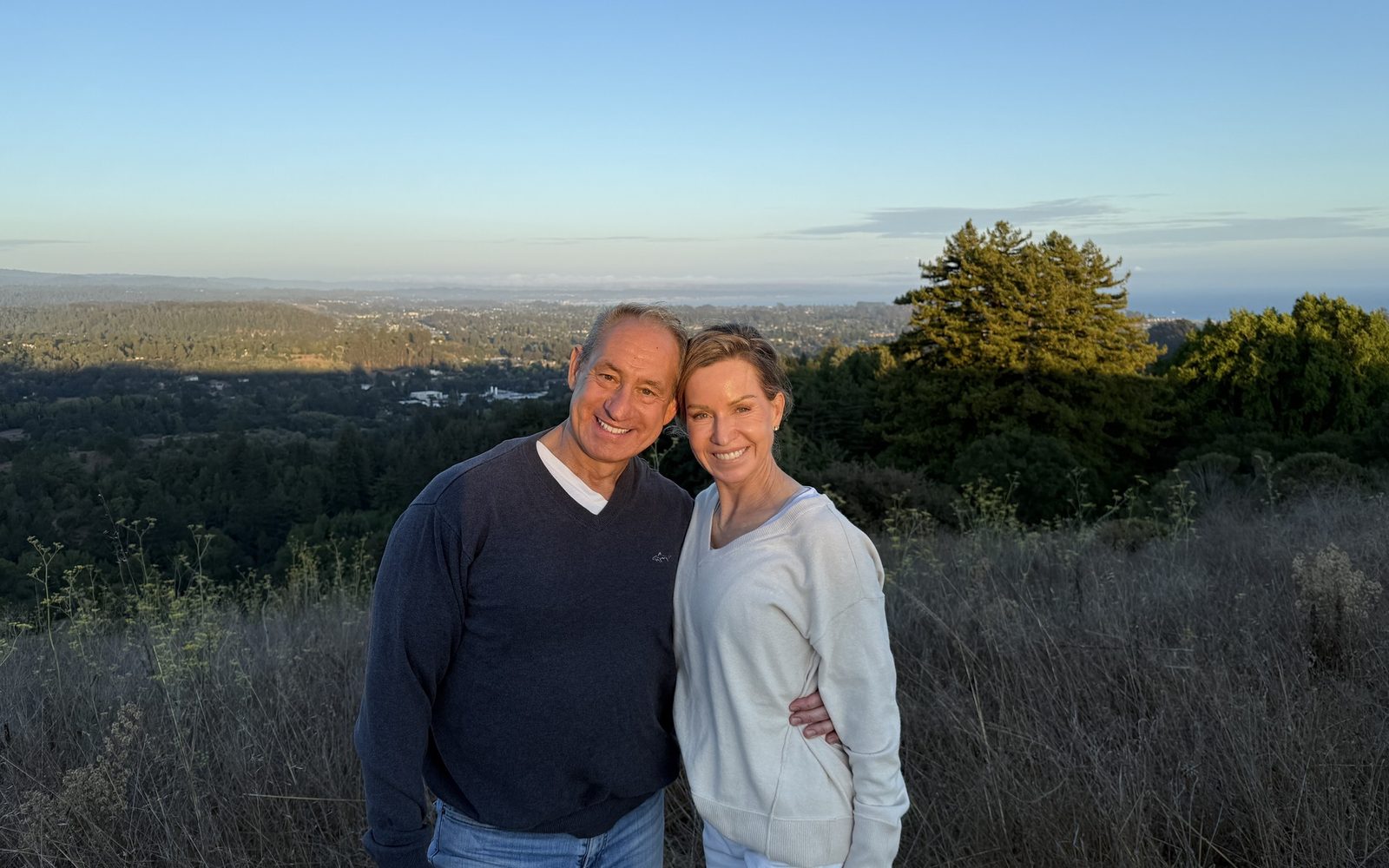
Dr. Loree Pinnavaia, a functional medicine clinician, and Ben Dubin, a healthcare venture capitalist and recovering biohacker — two health-conscious people in their sixties — dismantle the longevity-industrial complex from the inside. One knows how longevity companies get built and funded. The other knows what happens when their products meet real patients.
Across sleep, movement, real food, connection, and purpose, The Longevity Trap shows that the most powerful interventions are also the simplest — and that the habits most consistently associated with longer, healthier lives are ones humans have practiced for millennia.
Their goal isn’t to shame anyone for wanting to be healthy; it’s to offer a grounded framework so that your time, money, and attention go toward what actually works.

The Investor · Recovering biohacker
“I’ve had my genome sequenced three times. I built color-coded spreadsheets comparing supplements. At my peak I took seventeen a morning — and I was miserable. I know this industry from the inside, because I helped fund it.”

The Clinician · Functional medicine
“For over twenty years I’ve watched patients suffer — not from disease, but from the anxiety of trying to prevent it. The research behind most of what they were sold never said what the marketing claimed.”
A life in motion
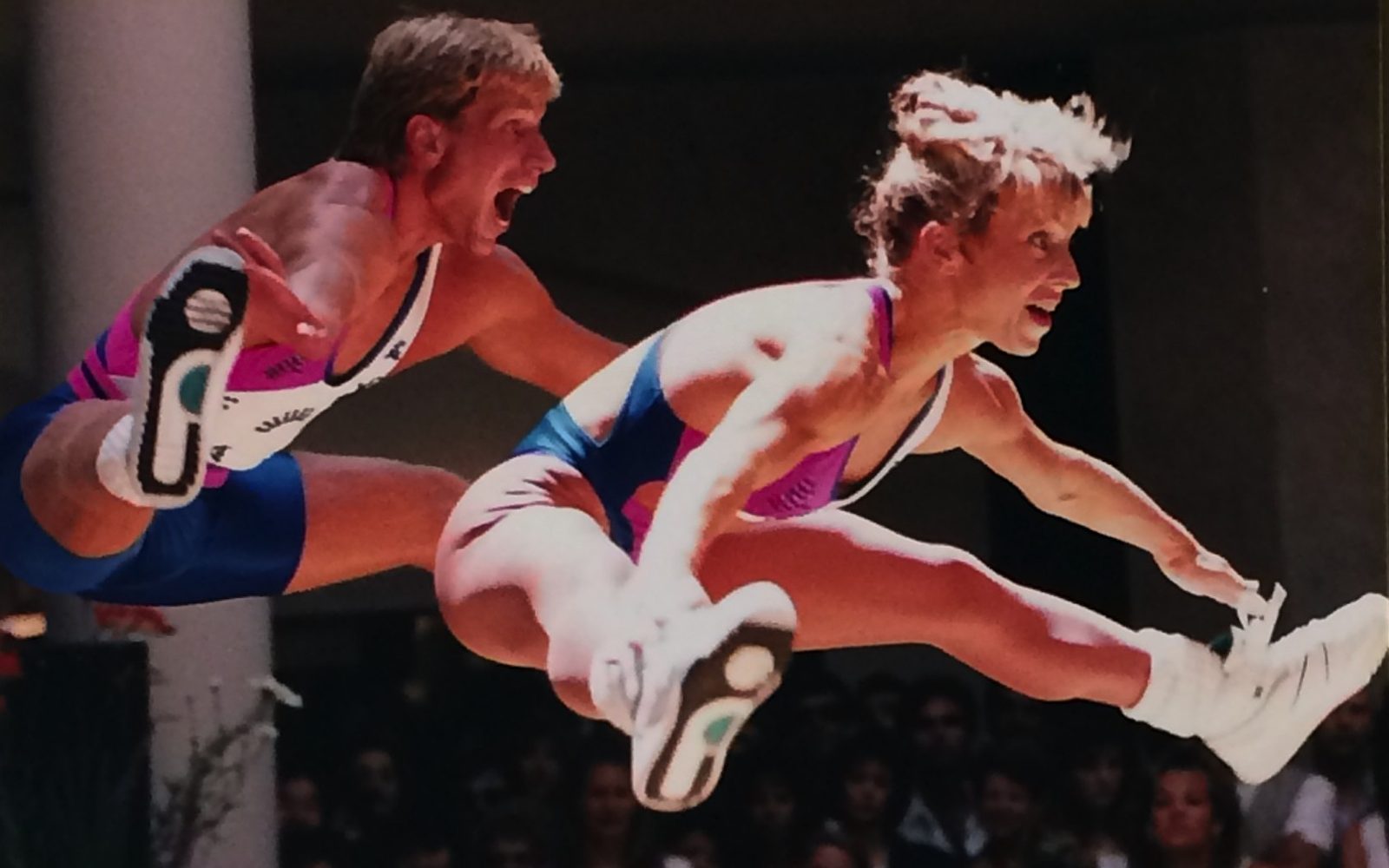
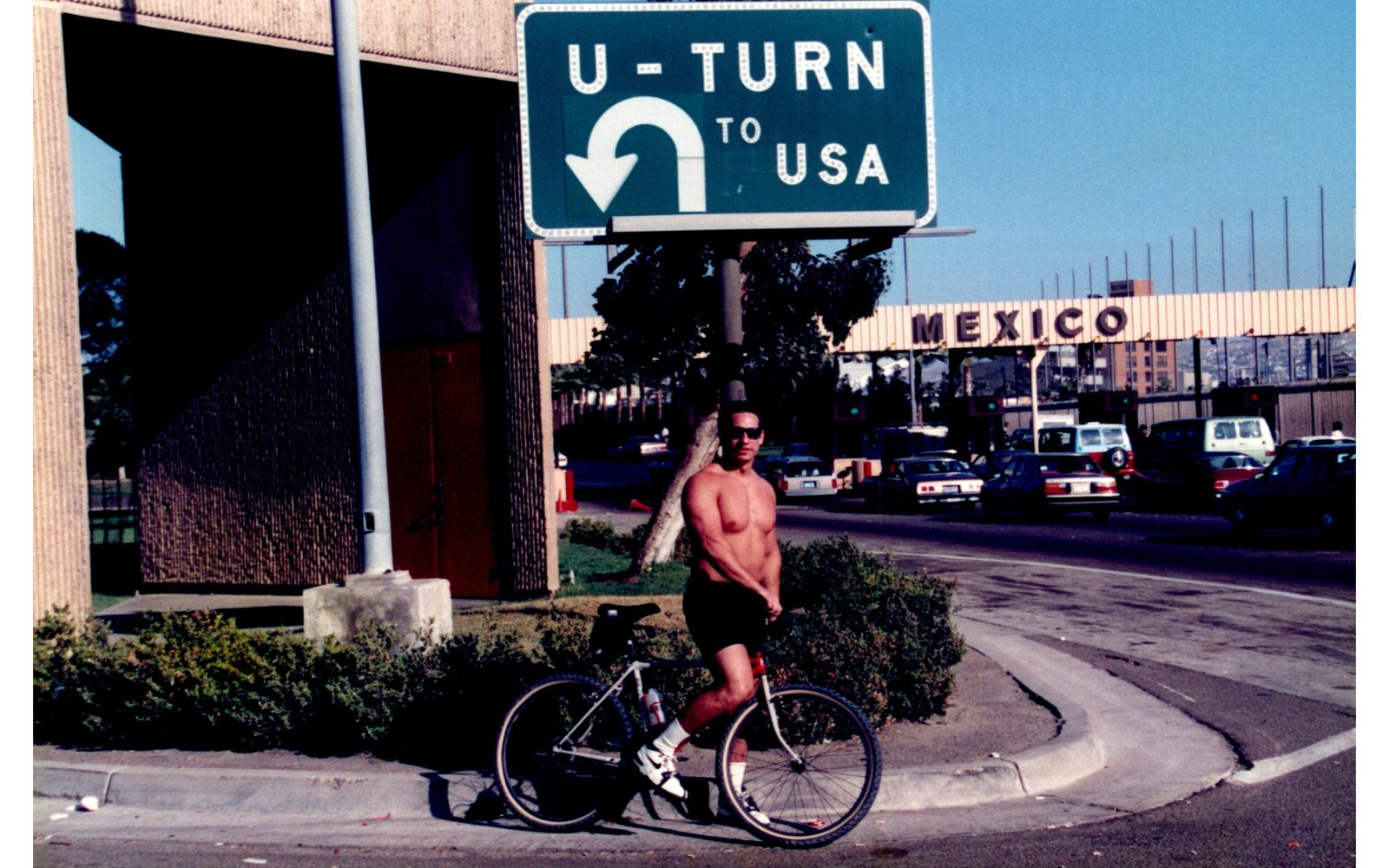
Two people who have always liked to move.
Start lines, gyms, trails and dogs, long before anyone called it longevity.
What actually works
The most powerful interventions are also the simplest.
Five habits, practiced by humans for millennia, carry the weight of the evidence for longer, healthier lives. None of them are proprietary. None of them come with a subscription. All of them are available to you right now.
Sleep
The unsexy superpower. The most powerful intervention is free — and feels wonderful.
Movement
Not exercise science. Just movement, woven through an ordinary day.
Real Food
Not nutritional biochemistry. Meals humans have shared for millennia.
Connection
The longevity factor nobody wants to optimize — and one of the most powerful.
Purpose
A reason to get up in the morning that no protocol can supply.
…then let go. The Subtraction Principle.
The boldest move isn’t adding another protocol — it’s subtracting the complexity that’s crowding out your life. Every hour, every dollar, and every worry you reclaim goes back to the five fundamentals. And to living.
After the five
We’re not throwing out longevity science. We’re asking what works — and whether it’s worth the cost.
Longevity has become an enormous business built on promises, and much of it operates in sectors no one regulates. We want you to live longer, to stay healthy for more of those years — a longer healthspan, not just a longer lifespan — and, above all, to live your life.
So we look at everything on the market and everything in development — the drugs, the devices, the tests, the clinics, the protocols — and ask the two questions two health-conscious people in their sixties would ask. Once the five fundamentals are in place, does the evidence say this may help? And is it worth the money?
That lens runs through the book, the podcast, and every post on this site.
The Longevity Trap Podcast
One claim per week. What’s real, what’s hype, what to actually do.
Every episode ends with a verdict — and something free you can do this week instead.
Green Light
The evidence is real, and it’s worth your time.
Yellow Light
Interesting but unproven. Here’s exactly where the evidence gets thin.
Red Light
Probably not worth the money — and what to do instead.
At the heart of the book
A long, healthy life is a right, not a luxury product.
It shouldn’t depend on income or zip code, or require elite clinics and the stamina for constant self-surveillance.
Your escape plan and your permission slip
Stop chasing a longer life. Start living the one you have. Let the years take care of themselves.
Sleep, move, eat real food… Connect, find purpose, let go. Everything else is optional.
The Longevity Trap · Dr. Loree Pinnavaia and Ben Dubin
From the blog
One study, report or headline at a time.
Every post ends with the subtraction: one thing you can stop doing, buying or worrying about.
Weekend reading: a Stanford trialist's sensible book about food, and why we name the sensible ones
This site has a rule: we do not name the people we think are selling you complexity; we describe the pattern and let you recognize it. The rule has a corollary we use less often than we should: we do name the people getting it right.
Read the post → Industry · PurposeTwo reports in two days: one counts the people, one counts the market
Yesterday the Milken Institute published The Future of Aging and Longevity: A Decade of Progress, A Decade to Act, a collection of essays and interviews from more than fifty contributors — foundations, universities, AARP, Meals on Wheels, the MIT AgeLab, the Stanford Center on…
Read the post → Mouse Dish or Human?An 80-year-old's blood cells were made 60 years 'younger' in a dish. A dish result is a dish result.
Researchers at the University of Bonn announced today, in Aging Cell, that they had converted blood-cell precursors from an 80-year-old donor directly into neural stem cells and watched the cells' epigenetic age — the DNA-methylation clock reading — fall to under 20 years over…
Read the post →